
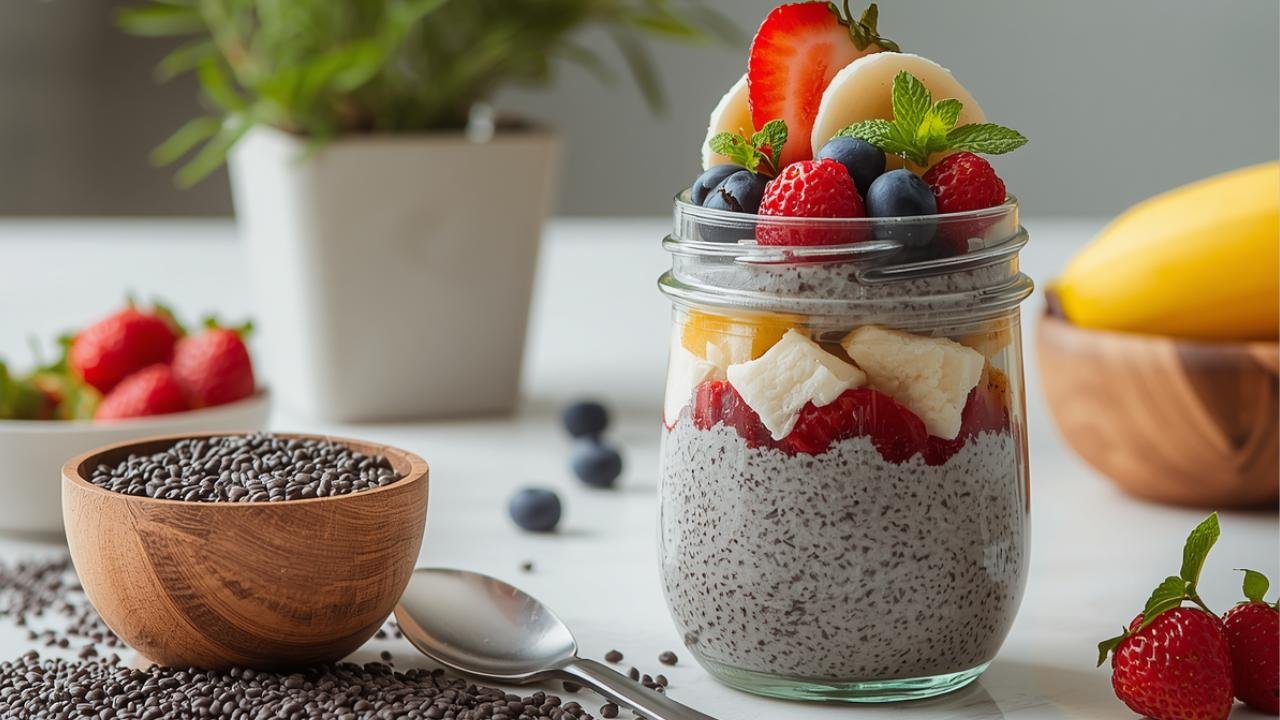
Tiny but mighty — that’s probably the best way to describe chia seeds. These small black-and-white seeds have exploded in popularity over the last few years, showing up in smoothies, puddings, protein bowls, detox drinks, and even desserts. But are chia seeds truly a superfood, or is it just another wellness trend hyped up by social media? According to nutritionists and recent scientific studies, chia seeds genuinely deserve the attention they get.
Research from Harvard Health highlights that chia seeds are packed with fiber, omega-3 fatty acids, antioxidants, protein, calcium, magnesium, and phosphorus, making them one of the most nutrient-dense foods you can eat. Recent nutrition reports also suggest that chia seeds may support digestion, blood sugar balance, heart health, weight management, and even bone strength.
So, what actually happens when you start eating chia seeds daily? And what’s the healthiest way to consume them without making common mistakes? Let’s break it all down in simple, practical terms.
What Are Chia Seeds?
Chia seeds come from the plant Salvia hispanica, which belongs to the mint family. These seeds were once a staple food in ancient Aztec and Mayan civilizations, where warriors reportedly consumed them for stamina and energy during long journeys and battles. In fact, the word “chia” is believed to mean “strength” in the ancient Mayan language. It’s fascinating how a food consumed centuries ago has now become a centerpiece in modern nutrition conversations.
What makes chia seeds unique is their incredible ability to absorb liquid. When mixed with water, they form a gel-like texture because of their soluble fiber content. This property is one of the major reasons nutritionists love them. It slows digestion, promotes fullness, and helps stabilize energy levels instead of causing sudden spikes and crashes like sugary snacks often do.
The modern rise of chia seeds isn’t just marketing hype. Scientists and health experts continue to study their potential health benefits. According to recent nutritional research, chia seeds contain one of the highest plant-based concentrations of omega-3 fatty acids, along with substantial amounts of fiber and antioxidants.
Today, chia seeds are incredibly versatile. You can add them to smoothies, oatmeal, yogurt, salads, pancakes, and baked goods. They’re naturally gluten-free, easy to store, and simple to incorporate into everyday meals. That convenience is a big reason why they’ve become popular among health-conscious people worldwide.
Top Health Benefits of Chia Seeds
Supports Digestive Health
One of the first things many people notice after regularly eating chia seeds is improved digestion. The high fiber content helps promote healthy bowel movements and supports beneficial gut bacteria. When chia seeds absorb water, they form a gel-like consistency that can help keep the digestive system moving smoothly.
A diet low in fiber often contributes to constipation, bloating, and sluggish digestion. Chia seeds work almost like a sponge inside the digestive tract. They absorb liquid, soften stool, and help maintain regularity. According to recent gastroenterology discussions, foods rich in fiber may also contribute to long-term gut health and reduced inflammation.
The soluble fiber in chia seeds also slows digestion, which can help you feel fuller longer after meals. This creates a steady release of energy instead of rapid hunger spikes. Imagine your digestive system moving like slow, controlled traffic instead of chaotic rush-hour congestion — that’s essentially what fiber-rich foods can help achieve.
Nutritionists often recommend starting slowly with chia seeds if your current fiber intake is low. Suddenly eating too much fiber without enough water can lead to bloating or discomfort. A gradual increase works best.
Helps With Weight Management
Can chia seeds magically melt belly fat overnight? No. But can they support healthy weight management when combined with a balanced diet? Absolutely.
Because chia seeds are rich in fiber and protein, they help increase satiety. That means you naturally feel fuller after eating them. Studies suggest that high-fiber meals may reduce overall calorie intake throughout the day because you’re less likely to snack constantly.
One reason chia seeds are popular in weight-loss meal plans is their ability to expand when soaked. They absorb up to 10–12 times their weight in liquid. That expansion creates volume in the stomach, helping people feel satisfied longer. It’s a bit like turning a small sponge into a much larger one after it absorbs water.
Many nutritionists recommend adding chia seeds to breakfast meals because they can help reduce mid-morning cravings. Chia pudding, overnight oats, or smoothies with chia seeds provide a more balanced start to the day compared to sugary cereals or processed pastries.
Still, portion control matters. Chia seeds are nutrient-dense, but they’re not calorie-free. Eating excessive amounts won’t automatically accelerate weight loss. Balance is the key.
Promotes Heart Health
Heart disease remains one of the leading global health concerns, which is why foods that support cardiovascular health receive so much attention. Chia seeds stand out because they contain alpha-linolenic acid (ALA), a plant-based omega-3 fatty acid linked to heart health benefits.
According to Harvard Health and multiple nutrition studies, omega-3s may help reduce inflammation, support healthy cholesterol levels, and contribute to overall cardiovascular wellness. Chia seeds also contain soluble fiber, which may help lower LDL cholesterol — often called “bad cholesterol.”
Some studies even suggest that regular chia seed consumption may help reduce systolic blood pressure in certain individuals. While more research is needed, the early findings are promising.
Think of your cardiovascular system like a highway network. Foods rich in healthy fats and fiber help keep traffic flowing smoothly, while processed foods high in trans fats and sugar create congestion and damage over time. Chia seeds are one of those foods that support smoother internal “traffic flow.”
Helps Stabilize Blood Sugar Levels
Blood sugar spikes can leave you feeling tired, hungry, irritable, and craving more sugar shortly afterward. Chia seeds may help slow the absorption of carbohydrates because of their gel-forming fiber content.
When consumed with meals, chia seeds can help create a slower digestion process. That slower digestion may support steadier blood sugar levels rather than dramatic peaks and crashes. This is particularly valuable for people trying to maintain consistent energy throughout the day.
Nutrition experts also point out that combining chia seeds with protein-rich foods like yogurt, milk, or smoothies creates an even more balanced meal. Instead of experiencing an energy roller coaster, your body receives fuel at a more stable pace.
While chia seeds alone aren’t a treatment for diabetes, they may be a smart addition to a balanced eating pattern focused on blood sugar management. The key is consistency and pairing them with whole foods rather than sugary drinks or desserts.
Best Way to Eat Chia Seeds
Why Soaking Chia Seeds Matters
One of the healthiest ways to eat chia seeds is by soaking them first. When soaked in water or milk, chia seeds expand and develop a soft gel-like texture. This process makes them easier to digest and safer to consume.
Recent expert guidance strongly advises against eating large amounts of dry chia seeds alone because they can absorb liquid rapidly inside the throat or digestive tract. Soaking helps prevent that issue while improving texture and nutrient absorption.
The ideal soaking time is usually 15 minutes to overnight, depending on the recipe. Many people enjoy the pudding-like consistency because it creates a creamy, satisfying meal without requiring complicated preparation.
Chia Seed Water
Chia water, sometimes called “chia fresca,” has become incredibly popular among fitness enthusiasts and wellness communities. It’s simple: mix chia seeds into water, let them soak, and optionally add lemon juice.
This drink may help support hydration because the gel structure slows water absorption in the body. Athletes and active individuals sometimes use chia drinks for endurance and hydration support. It’s essentially like giving your water a nutritional upgrade.
Chia Pudding
Chia pudding is probably the most famous chia recipe — and for good reason. It’s easy, customizable, filling, and nutritious.
Basic recipe:
- 2 tablespoons chia seeds
- 1/2 cup milk or plant milk
- Optional honey or maple syrup
- Fruit toppings
Let the mixture sit overnight, and by morning you’ll have a thick pudding rich in fiber, omega-3s, and protein. Recent nutrition articles even suggest chia pudding may provide more fiber than overnight oats alone.
Smoothies and Yogurt
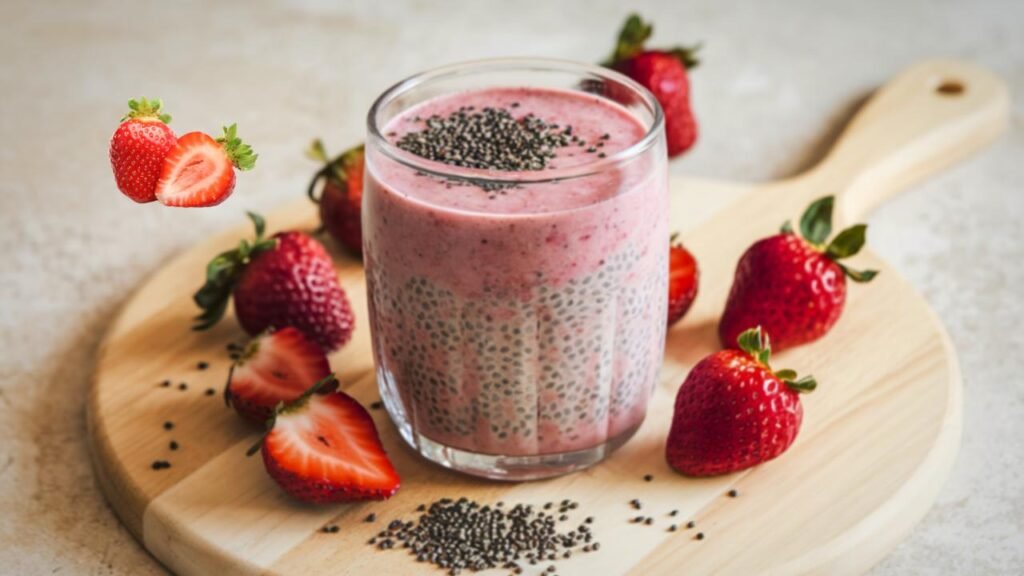
Adding soaked chia seeds to smoothies or yogurt is another easy option. They blend well with berries, bananas, mangoes, peanut butter, oats, and protein powder.
The beauty of chia seeds is that they don’t have a strong flavor. They quietly boost nutrition in the background without overpowering your meal.
Using Chia Seeds in Baking
Chia seeds also work beautifully in baking. Some people use “chia eggs” — a mixture of chia seeds and water — as a vegan egg replacement in muffins, pancakes, and cookies.
They can also be sprinkled into bread, granola bars, or homemade crackers for extra crunch and nutrition.
Do Chia Seeds make your Skin Glow?
Healthy fats, namely omega-6 and omega-3 are important in keeping skin healthy and strong.
Being an excellent source of omega-3 fatty acids chia seeds could be a glowing addition to your next recipe!
But wait! This seed isn’t just for eating. You can also mix 2 teaspoons of chia seeds, 1 teaspoon of freshly squeezed lemon juice, and ½ cup of coconut oil together for a soothing, moisturizing, and brightening exfoliator.
Chia seeds truly are a SUPER-food!
Common Mistakes People Make With Chia Seeds
One common mistake is eating too many chia seeds too quickly. Because they’re high in fiber, suddenly consuming large portions can cause bloating, gas, or digestive discomfort. Your body needs time to adjust.
Another mistake is forgetting hydration. Chia seeds absorb massive amounts of liquid, so drinking water is important when consuming them regularly.
People also sometimes expect unrealistic results. Chia seeds can support health, but they’re not magical fat burners or miracle cures. Sustainable health comes from overall eating patterns, exercise, sleep, hydration, and consistency.
Finally, many people consume sugary chia puddings loaded with syrups and processed toppings. That defeats part of the purpose. Keeping recipes balanced with fruits, nuts, and moderate sweeteners works best.
Conclusion
Chia seeds are a great addition to many recipes, to your daily food intake and they are a great addition to your weight loss meal plan!
They are tiny, can be used in numerous ways, and pack a large nutritional punch that everyone can benefit from.
If you have underlying health conditions or concerns, be sure to check with your physician or a Registered Dietitian who will be able to help you in adding this superfood to your daily food intake.
FAQs
1. How much chia seed should I eat daily?
Most nutritionists recommend 1–2 tablespoons per day. This amount provides fiber, omega-3s, and minerals without overloading digestion.
2. Is it better to eat chia seeds raw or soaked?
Soaked chia seeds are generally considered safer and easier to digest because they absorb liquid before consumption.
3. Can chia seeds help with belly fat?
Chia seeds alone won’t directly burn belly fat, but their fiber and protein content may help support appetite control and healthy weight management.
4. What is the best time to eat chia seeds?
Many people prefer eating chia seeds at breakfast because they help promote fullness and steady energy throughout the day.
5. Are chia seeds safe for everyone?
Most people can safely eat chia seeds, but individuals with swallowing difficulties, digestive issues, or certain medical conditions should consult a healthcare professional first.