
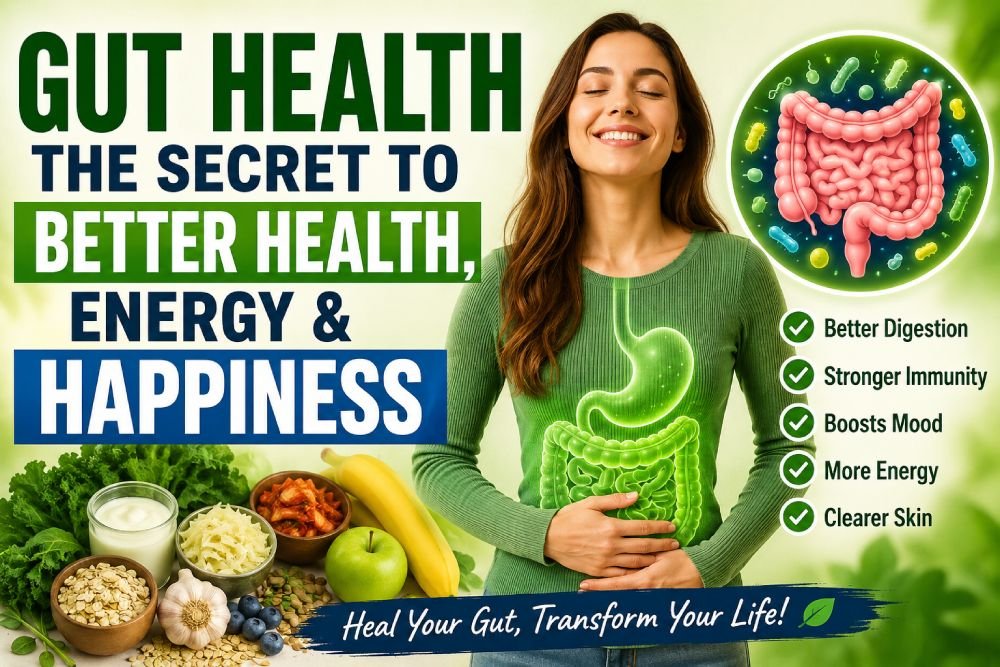
Bloating after meals. Unpredictable digestion. That sluggish, “off” feeling that’s hard to explain. If any of this sounds familiar, your gut might be trying to tell you something.
Your gut does far more than digest food. It plays a major role in your immune system, your mood, and even your energy levels. When it’s out of balance, the effects can show up in surprising ways.
The good news is that learning how to improve gut health naturally doesn’t require extreme diets or expensive supplements. Small, consistent changes can make a real difference. Let’s look at what’s going on in your gut and how to support it.
What Does “Gut Health” Actually Mean?
Your gut is home to trillions of bacteria, collectively known as your gut microbiome. This community of microorganisms helps break down food, produce certain vitamins, and support your immune system.
A healthy gut has a diverse balance of beneficial bacteria. When harmful bacteria outnumber the good ones, it’s often called gut imbalance, or dysbiosis.
This balance can be influenced by diet, stress, sleep, medications, and lifestyle habits, which means you have more control over it than you might think.
1. Gut Health and Digestion
The most obvious role of your gut is breaking down food and absorbing nutrients. A healthy gut lining and balanced bacteria help this process run smoothly.
When gut health is off, you may notice symptoms like bloating, gas, irregular bowel movements, or general digestive discomfort after meals.
Supporting your gut often means supporting smoother, more comfortable digestion overall.
2. Gut Health and Immune Function
Did you know a large portion of your immune system actually lives in your gut? Beneficial gut bacteria help train your immune cells to respond appropriately to threats.
An imbalanced gut microbiome has been linked to increased inflammation and a less effective immune response.
This is one of the biggest reasons gut health deserves attention, even if digestion itself feels fine most of the time.
3. Gut Health and Mental Well-Being
Your gut and brain communicate constantly through what’s known as the gut-brain axis. Gut bacteria even produce neurotransmitters like serotonin, which plays a role in mood regulation.
Some research suggests that an imbalanced gut microbiome may be associated with increased feelings of anxiety or low mood.
While gut health isn’t the only factor in mental well-being, it’s an important piece many people overlook.
4. Gut Health and Skin Conditions
The gut-skin connection is real. Imbalances in gut bacteria have been associated with skin conditions like acne, eczema, and rosacea in some individuals.
Inflammation that starts in the gut can sometimes show up on the skin’s surface, which is why some people notice skin improvements after focusing on gut health.
This connection highlights how interconnected your body’s systems really are.
5. Gut Health and Energy Levels
A gut that’s out of balance can interfere with nutrient absorption, which may leave you feeling fatigued even when you’re eating enough food.
Chronic digestive discomfort can also disrupt sleep, indirectly contributing to low energy throughout the day.
Improving gut health can be one piece of the puzzle when it comes to feeling more energized day to day.
Natural Ways to Improve Gut Health
Now for the practical part. Here are natural, evidence-informed ways to support a healthier gut.
Eat More Fiber-Rich Foods
Fiber feeds the beneficial bacteria in your gut. Vegetables, fruits, whole grains, beans, and legumes are all excellent sources.
Aim to add a variety of plant foods to your meals throughout the week, since different fibers feed different types of beneficial bacteria.
Include Fermented Foods
Fermented foods like yogurt, kefir, sauerkraut, and kimchi contain natural probiotics that can help support a diverse gut microbiome.
Adding even a small serving of fermented foods a few times a week can introduce beneficial bacteria to your digestive system.
Stay Hydrated
Water supports healthy digestion and helps keep things moving smoothly through your digestive tract.
Dehydration can contribute to constipation and other digestive discomfort, so aim for consistent water intake throughout the day.
Limit Processed Foods and Added Sugar
Highly processed foods and excess added sugar can feed less beneficial bacteria in your gut, potentially throwing off your microbiome balance.
Reducing these foods, even gradually, can support a healthier gut environment over time.
Manage Stress Levels
Chronic stress affects gut function through the gut-brain connection. Practices like deep breathing, meditation, or light exercise can help support digestive balance.
Since stress and gut health are so closely linked, managing one often benefits the other.
Prioritize Sleep
Poor sleep has been linked to changes in gut bacteria composition. Aiming for consistent, quality sleep supports your gut just as much as your overall health.
Move Your Body Regularly
Physical activity supports healthy digestion by encouraging regular bowel movements and promoting blood flow to your digestive organs.
Even a daily walk can offer noticeable digestive benefits over time.
Foods That Support a Healthy Gut
Certain foods are particularly known for supporting gut health. Consider adding more of these to your weekly meals:
- Leafy greens like spinach and kale
- Whole grains such as oats and brown rice
- Legumes including lentils and chickpeas
- Fermented foods like yogurt and kimchi
- Prebiotic-rich foods such as garlic, onions, and bananas
A varied diet rich in whole foods tends to support a more diverse and resilient gut microbiome.
Common Mistakes That Hurt Gut Health
A few everyday habits can quietly work against your gut health goals.
- Overusing antibiotics or unnecessary medications. These can disrupt the natural balance of gut bacteria.
- Eating the same foods repeatedly. A limited diet can reduce microbiome diversity.
- Skipping meals frequently. Irregular eating patterns can disrupt digestive rhythms.
- Ignoring chronic digestive discomfort. Ongoing symptoms are worth discussing with a healthcare provider.
Avoiding these habits can help you get more out of the gut-supportive changes you’re making.
Frequently Asked Questions (FAQ)
How long does it take to improve gut health naturally?
Some people notice digestive improvements within a few weeks of consistent dietary changes, though full microbiome shifts can take longer.
What foods are worst for gut health?
Highly processed foods, excess added sugar, and artificial sweeteners are often linked to gut imbalances when consumed regularly.
Do I need probiotic supplements for good gut health?
Not necessarily. Many people can support gut health through fermented foods and a fiber-rich diet without supplements, though some may benefit from them.
Can stress really affect gut health?
Yes. The gut and brain are closely connected, and chronic stress can disrupt digestion and gut bacteria balance.
What are signs of an unhealthy gut?
Common signs include bloating, irregular bowel movements, fatigue, and in some cases, skin issues or mood changes.
Conclusion
Improving gut health naturally doesn’t require a complicated routine. Simple changes like eating more fiber, adding fermented foods, managing stress, and prioritizing sleep can make a meaningful difference over time.
Your gut influences far more than digestion alone, touching your immune system, mood, skin, and energy levels.
Start with one small change this week, whether it’s adding a serving of vegetables or a few minutes of stress relief. Your gut—and the rest of your body—will benefit from the effort.