
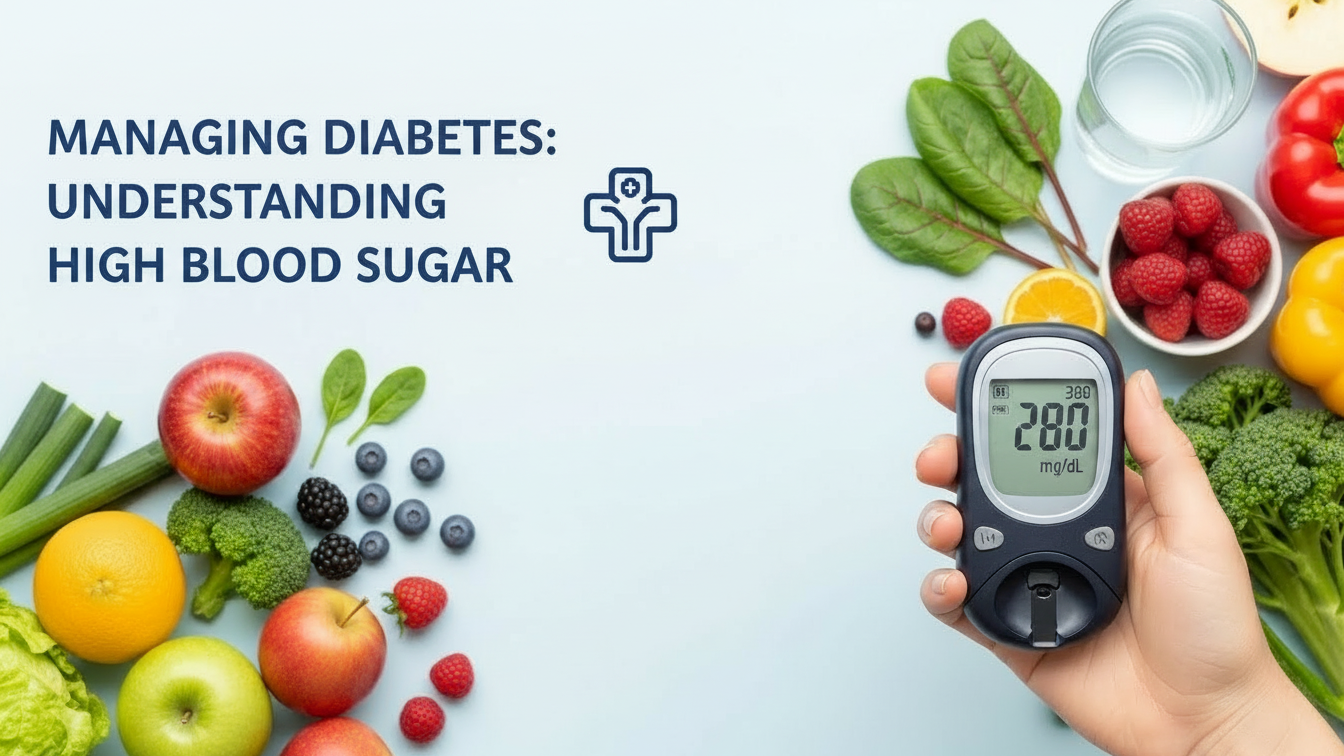
Diabetes is becoming one of the most common chronic health conditions worldwide. Millions of people have diabetes, and many are unaware they have it — until symptoms become severe. The earlier diabetes is detected, the easier it is to manage, prevent complications, and live a healthy life.
The good news? Your body often gives warning signs long before diabetes becomes serious. Recognizing these symptoms early can help prevent long-term damage to organs such as the heart, kidneys, eyes, and nerves.
In this complete guide, you’ll learn the 10 most common early signs of diabetes that you should never ignore.
1. Excessive Thirst That Doesn’t Go Away
Do you feel thirsty all the time, even after drinking water? This is one of the earliest symptoms of diabetes.
When blood sugar levels rise, your kidneys work harder to remove excess sugar through urine. This leads to frequent urination, causing dehydration and increased thirst.
👉 If you’re suddenly craving more water than usual, pay attention.
2. Frequent Urination, Especially at Night
If you’re waking up multiple times at night to use the bathroom, it could be a sign of diabetes.
High blood sugar forces the kidneys to produce more urine to remove glucose from the body. This results in:
- Increased bathroom visits
- Interrupted sleep
- Dehydration
This is one of the most common symptoms among prediabetic and diabetic individuals.
3. Unexplained Weight Loss
Losing weight without trying may sound good — but it can be a serious warning sign.
When the body cannot use glucose properly, it starts burning fat and muscle for energy. This leads to sudden and unexplained weight loss.
- You may notice:
- Loose clothes
- Reduced appetite
- Fatigue
Unintentional weight loss should never be ignored.
4. Extreme Hunger (Even After Eating)
If you feel hungry shortly after meals, it may indicate insulin resistance.
Because your cells are not using glucose properly, your brain continues sending hunger signals — even if you’ve eaten enough.
This condition is known as polyphagia and is common in early diabetes.
5. Blurred Vision or Eye Discomfort
High blood sugar levels can cause the lens of the eye to swell, leading to blurred or distorted vision.
You may notice:
- Difficulty focusing
- Eye dryness
- Flashes or floaters
- Sudden changes in near or distant vision
Unchecked diabetes can lead to diabetic retinopathy, a leading cause of blindness — so early detection is crucial.
6. Slow Healing of Cuts and Wounds
If minor cuts, burns, or bruises take longer to heal, this may be a sign of poor circulation caused by high blood sugar.
This happens because elevated glucose levels damage blood vessels and nerves, slowing down healing and increasing the risk of infections.
7. Tingling or Numbness in Hands and Feet
A common early sign of diabetes is nerve damage, known as diabetic neuropathy.
Symptoms may include:
- Tingling
- Burning sensation
- Numbness
- Sharp electric pain
It often starts in the feet and moves upward. Detecting this early may prevent permanent nerve damage.
8. Constant Fatigue and Lack of Energy
Feeling tired even after sleeping well is another warning sign.
Since glucose is not entering the cells effectively, your body lacks the energy it needs — leading to constant fatigue, weakness, and low motivation.
9. Recurrent Infections
High blood sugar creates an ideal environment for bacteria and fungi to grow.
Common infections include:
- Skin infections
- Gum disease
- Yeast infections (especially in women)
- Urinary tract infections
Frequent infections may be an early red flag.
10. Dark Skin Patches (Acanthosis Nigricans)
Some people experience dark, velvety patches on the skin — often around:
- Neck
- Armpits
- Elbows
- Knuckles
This is often linked with insulin resistance and may appear before other symptoms.
Final Thoughts
Diabetes doesn’t develop overnight — your body sends signals early on. Recognizing these signs can help you take control of your health before the condition becomes serious.
Simple lifestyle changes like eating healthier, exercising regularly, managing stress, and maintaining healthy weight can reduce or even reverse early-stage diabetes.
Your health is in your hands — act early, and stay informed.